Lipo Freeze 2u
A concise guide to why some skin growths respond better to targeted freezing than traditional home remedies
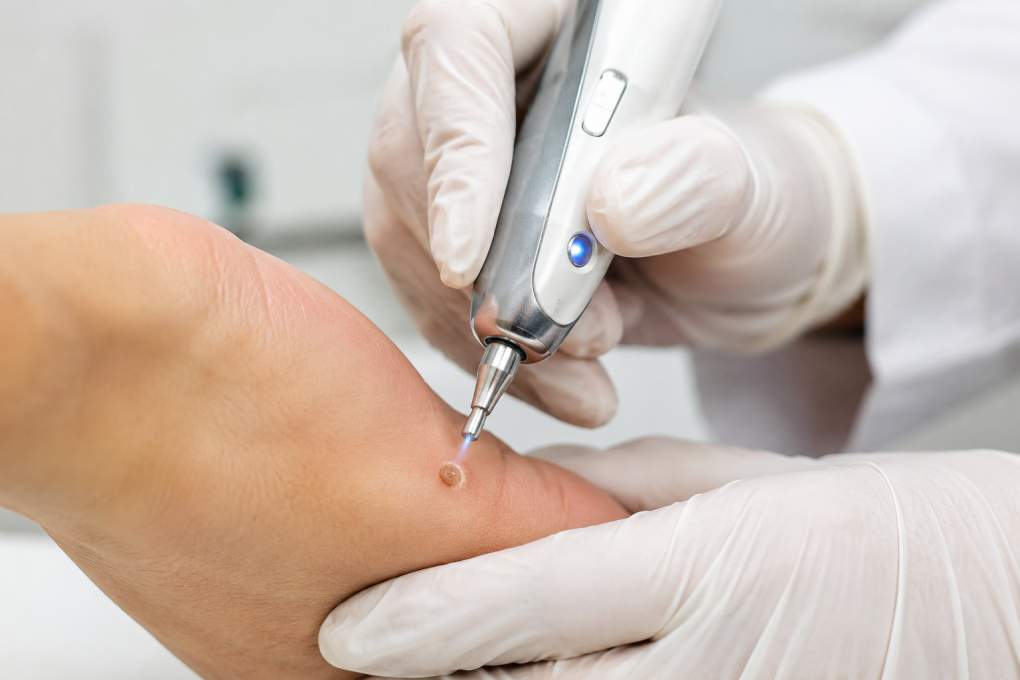
Small skin growths are often dismissed as minor cosmetic concerns, yet common warts can become uncomfortable, spread through direct contact, or interfere with everyday activities when they appear on the hands, feet, or other frequently used areas. While pharmacy products may work for some people, persistent lesions often require a more precise approach to achieve complete removal while limiting damage to surrounding healthy tissue.
Professional assessment is valuable because not every raised skin lesion is a wart. Conditions such as skin tags, seborrheic keratoses, molluscum contagiosum, and certain benign growths may appear similar but require different management strategies. Accurate identification is the first step towards selecting the most appropriate treatment.
Why precision matters during treatment
Warts develop after infection with the human papillomavirus (HPV), which stimulates excessive growth in the outer layer of the skin. Their depth, location, and thickness can vary considerably, making a one-size-fits-all approach less effective.
Modern cryotherapy devices have improved the precision of tissue destruction by delivering extremely low temperatures directly to the affected area. Rather than treating a large section of surrounding skin, targeted freezing focuses on the lesion itself, reducing unnecessary trauma while encouraging normal healing.
This approach is especially useful for lesions located on:
- Fingers and hands
- Soles of the feet
- Around the nails
- Face (where clinically appropriate)
- Other visible areas requiring cosmetic care
Selecting the right freezing depth and exposure time is an important clinical consideration, as overtreatment can increase the likelihood of blistering or pigmentation changes, while undertreatment may allow the wart to persist.
How modern cryotherapy differs from older methods
Traditional liquid nitrogen treatment has long been used in dermatology, but newer cryotherapy technologies provide greater control over the application process. Controlled delivery systems allow practitioners to focus cold energy more accurately on abnormal tissue while helping preserve nearby healthy skin.
This is one reason why CryoPen wart removal treatment is often considered for stubborn lesions that have not responded to over-the-counter preparations.
Treatment sessions are generally brief, with many individual lesions requiring only seconds of controlled freezing depending on their size and location. Healing continues over the following days as the treated tissue naturally separates from healthy skin.
Factors that influence successful outcomes
Several variables affect how quickly a wart resolves after treatment.
- Age of the lesion
- Thickness of the skin
- Immune response
- Body location
- Previous treatment history
- Number of lesions present
Plantar warts, for example, often require more attention because pressure from walking pushes them deeper into the skin. Warts around the fingernails may also need careful management to avoid unnecessary injury to nearby tissue.
Some individuals achieve complete clearance after a single session, while others may benefit from repeat treatments depending on the characteristics of the lesion.
Why diagnosis should always come before removal
Not every skin growth should be frozen immediately. Pigmented lesions, rapidly changing growths, or areas with uncertain diagnosis deserve professional evaluation before any destructive procedure is considered.
Healthcare practitioners typically assess:
- Appearance and borders
- Surface texture
- Colour variation
- Duration
- Previous changes
- Medical history
- Risk factors for skin disease
This assessment helps distinguish viral warts from other benign skin lesions and ensures that suspicious abnormalities receive appropriate investigation instead of cosmetic treatment alone.
For people considering targeted cryotherapy, understanding the importance of diagnosis, treatment precision, and proper aftercare helps set realistic expectations while supporting safer management of common viral skin lesions. Advances in targeted cryotherapy continue to improve treatment accuracy, making precise freezing techniques an established option for many benign skin concerns when performed following a professional clinical assessment.
Verantwortlich für den Inhalt dieser Seite ist ausschließlich der
Autor dieser Homepage, kontaktierbar über dieses Formular!